France · Europe
Paris
Stone, light, and the long art of doing nothing well.
Overview
Paris is built for slow afternoons: bookstalls along the Seine, an espresso standing at a zinc bar, the long shadows of plane trees on a Marais courtyard. Beyond the postcards, the city's neighbourhoods each keep their own pace.
Neighbourhoods
- Le MaraisMedieval streets, falafel, design shops, queer history.
- Canal Saint-MartinFootbridges, natural-wine bars, picnics on the quay.
- Saint-GermainCafés the existentialists made famous, still open.
- BellevilleHill views, immigrant kitchens, street art.
Top Landmarks
- Musée d'OrsayImpressionists in a converted Beaux-Arts railway station.
- Sainte-ChapelleStained glass that turns the room into a lantern.
- Père LachaiseA wooded cemetery — Wilde, Chopin, Piaf.
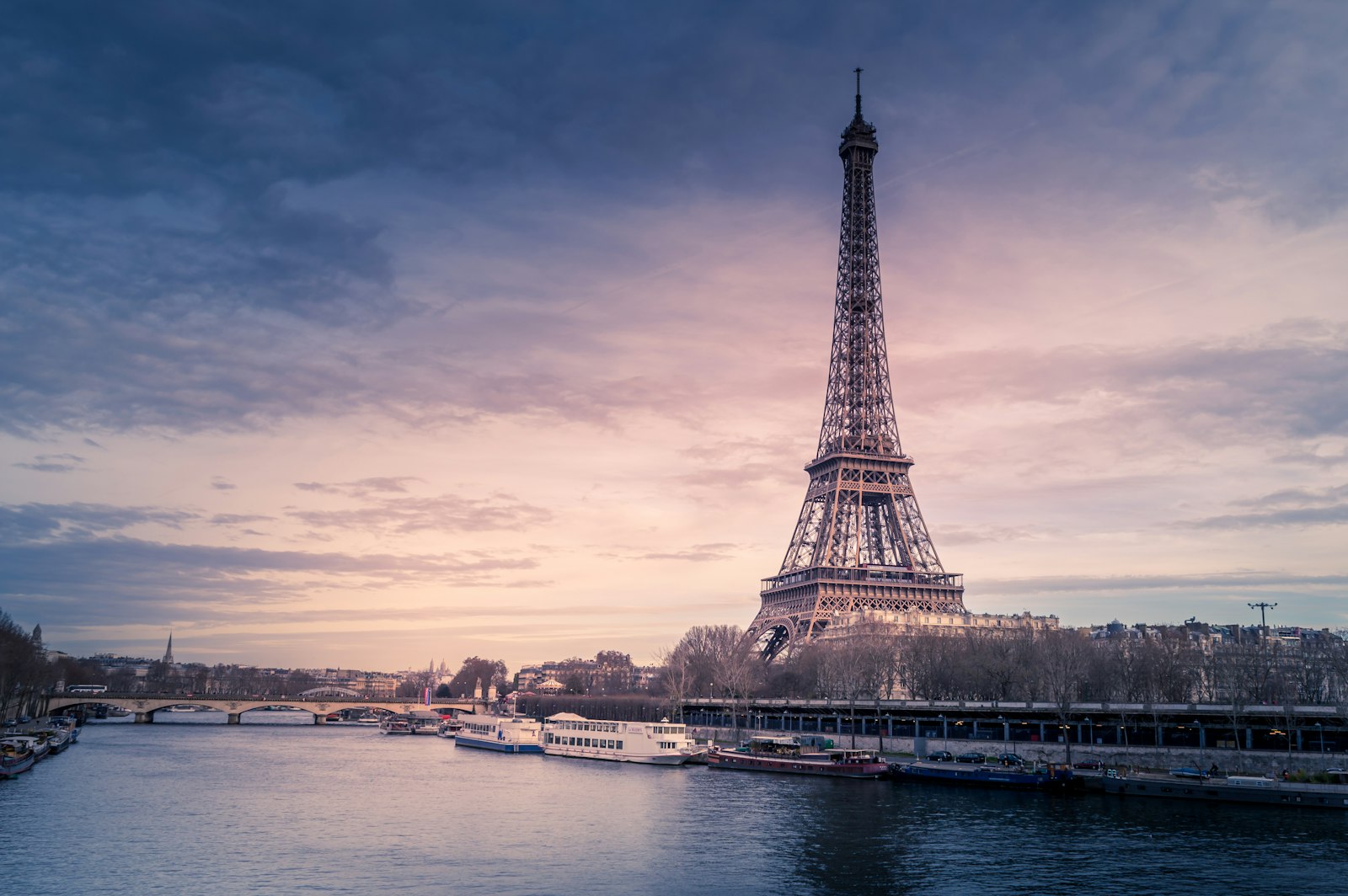
- Eiffel Tower from TrocadéroThe view is the point; visit after dark.
Food & Cafés
- Du Pain et des IdéesEscargot pastries and a perfect baguette.
- Le Comptoir du RelaisClassic bistro fare in Saint-Germain.
- SeptimeModern French, book six weeks ahead.
- Marché des Enfants RougesCovered market with Moroccan, Italian, Japanese stalls.
Getting Around
The Métro reaches almost everywhere; one zone covers most of what you'll want to see. Walking is half the experience. Vélib bikes are widely available; cycle the Seine on Sundays when the right bank closes to cars.
Sample Itinerary
- Day 1Île de la Cité, Sainte-Chapelle, dinner in Le Marais.
- Day 2Musée d'Orsay, Tuileries walk, sunset at Trocadéro.
- Day 3Canal Saint-Martin, vintage shopping, wine bar in the 11th.
Local Notes
- Say 'bonjour' before anything else when entering a shop — it matters.
- Most museums are closed one weekday; check before you go.
- Lunch service usually ends by 2:30pm.
- Tap water is excellent and free; ask for 'une carafe d'eau'.
Continue exploring